Continental has opened talks on ending tyre production in Gqeberha, South Africa. Around 950 employees could be affected.
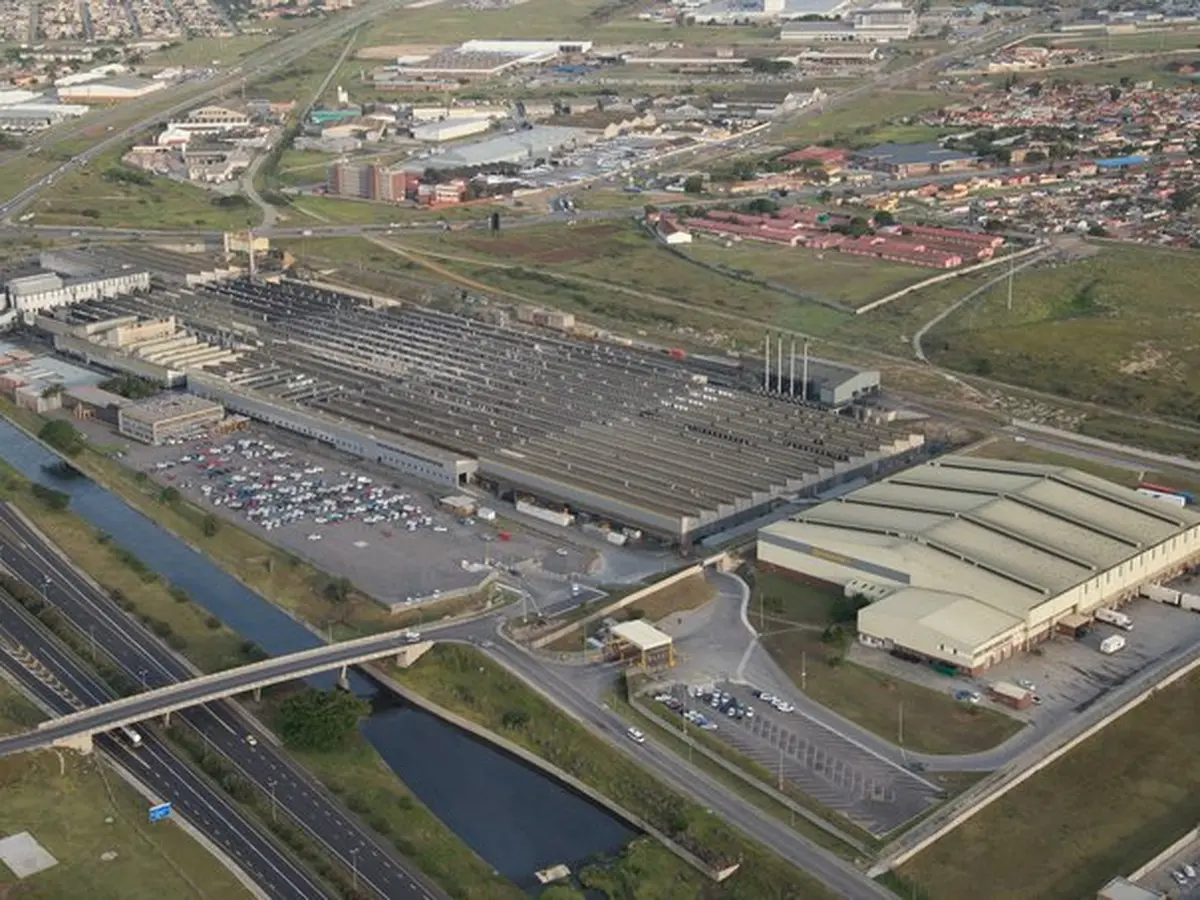

Continental has opened consultation on a proposal to end tyre production at its South African plant. The company says its Gqeberha sales operation will continue serving customers across Africa.
Continental is considering ending tyre manufacturing at its plant in Gqeberha, South Africa, where around 950 employees could be affected. The company announced the proposal on 20 November and said manufacturing could end by early 2027 if the consultation identifies no viable alternative.
The company has begun formal consultation under Section 189A of South Africa’s Labour Relations Act. Continental says the process will consider alternatives to ending production and measures to reduce the impact on employees if the proposal goes ahead. Continental South Africa’s statement. Continental tires
The Motor Industry Staff Association (MISA) has urged Continental to explore every option to preserve jobs. The association, whose members work in tyre retail and are outside the directly affected workforce, also raised concerns about the potential impact on suppliers, transport operators and small businesses that rely on the plant and its workers. It called on the government to intervene over the loss of manufacturing jobs in the Eastern Cape. t
Continental says the Gqeberha plant has operated below capacity for several years despite efforts to turn it around. The company cited stronger price competition from low-cost tyre imports and difficult market conditions. It also said higher energy costs, supply chain disruption and infrastructure problems had increased manufacturing costs and made production harder to plan.
The site began making tyres in 1947 and started producing Continental-branded tyres in 1985. It has supplied vehicle manufacturers operating in South Africa as well as the African replacement market. Those two customer groups give the site a role in both local vehicle production and the wider tyre distribution trade.
Continental says its local sales team will continue to operate from Gqeberha and serve customers in South Africa and elsewhere in the region. Its announcement leaves open where tyres currently made at the plant would be sourced if manufacturing ends. For distributors and vehicle manufacturers supplied by the site, that is a separate question from where Continental’s sales team will be based.
The next decision on the plant’s future depends on whether the consultation identifies a viable way to keep manufacturing at Gqeberha. Continental’s early 2027 timeframe applies if the process fails to find one.
Tags: Continental Tyres, Gqeberha tyre plant, South Africa tyre industry, tyre manufacturing, Eastern Cape, factory closure consultation, Section 189A, African tyre market
Editorial Standards & Disclaimer
Tyre News Media is an independent industry publication. Our reporting is based on information available at the time of publication, including company announcements, regulatory filings, official data, research and other sources considered reliable.
Articles may include independent analysis and editorial interpretation. Where appropriate, company statements and third-party claims are attributed to their source. Analysis, estimates and forward-looking observations should not be read as statements of established fact.
Tyre News Media takes reasonable steps to ensure accuracy but welcomes corrections, clarifications and responses from organisations or individuals covered in our reporting. If you believe information is inaccurate or requires clarification, please contact info@tyrenews.co.uk. Material errors will be corrected as appropriate.
Commercial relationships, advertising and sponsorship do not determine Tyre News Media's editorial coverage or conclusions.

Tyre Industry Business Directory
Search manufacturers, suppliers, wholesalers, service providers and industry partners across the tyre sector.

Commercial Relationships
Sponsors and advertisers help fund TNM's open-access journalism. Commercial relationships do not determine editorial coverage or conclusions.