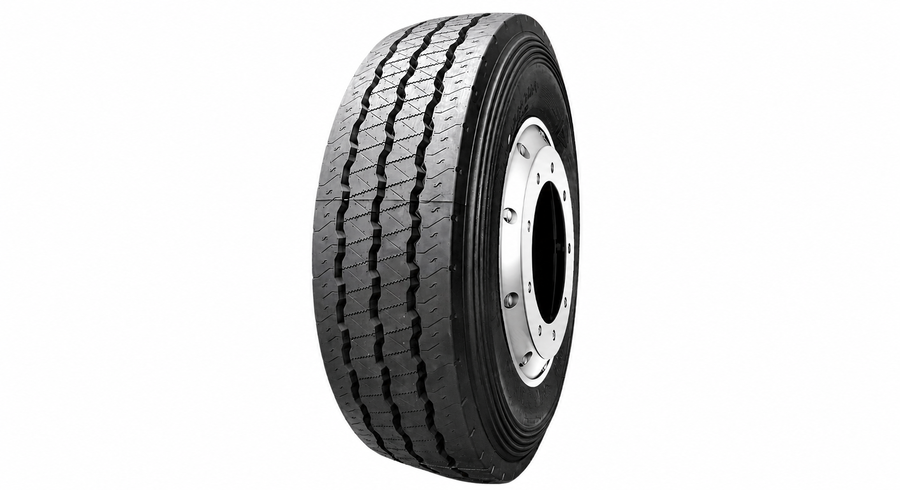

UK retreader Vaculug has developed a new tyre specifically for electric refuse vehicles, targeting one of the more demanding applications emerging from the electrification of municipal fleets. Developed with Vipal, the product combines a lower-resistance tread profile with an EV-focused compound and full sidewall protection as operators seek to control range, wear and whole-life tyre costs.
The electrification of refuse collection vehicles is changing more than the powertrain. For tyre manufacturers, retreaders and fleet operators, it creates a difficult combination of competing requirements: high vehicle loads, repeated stop-start operation, substantial torque and the need to minimise energy losses wherever possible.
Vaculug's response is a new retread tyre developed specifically around those operating conditions.
The company says the tyre uses a leaner, optimised tread profile intended to reduce rolling resistance and therefore limit the energy consumed in overcoming tyre resistance. Its compound, developed in collaboration with Vipal, has meanwhile been formulated to cope with the torque associated with electric acceleration and regenerative braking.
That combination is commercially important. For an electric refuse fleet, tyre selection increasingly becomes part of energy and range management rather than simply a question of mileage and purchase price.
Vipal already offers retreading products specifically intended for electric vehicle applications. Its DV-UMe urban tread, for example, uses an EV-specific compound intended to provide greater resistance to characteristic electric-vehicle wear and cope with higher torque, while its design also targets reduced noise.
Reducing rolling resistance cannot come at the expense of robustness in refuse applications.
Kerb contact, repeated manoeuvring, tight turns and stop-start operation make waste collection particularly demanding on commercial vehicle tyres. Vaculug has therefore retained full sidewall protection on both sides of the new product, despite making the tyre lighter than its established Waste Protektor WZY2.
The design decision illustrates the compromise tyre developers face as heavy-duty electric fleets expand. Removing material can help reduce weight and potentially rolling losses, but municipal applications still require substantial protection against physical damage.
The new product also targets lower tyre noise. While that may appear secondary to mileage or durability, quieter tyres become more relevant as electric drivetrains remove much of the mechanical noise traditionally associated with commercial vehicles operating in residential areas.
The wider significance of the development lies in the role retreading could play as heavy commercial fleets electrify.
Battery-electric trucks do not eliminate traditional fleet pressures around tyre cost. If anything, higher torque, vehicle weight and intensive urban duty cycles can make tyre performance and casing management more important.
A retread specifically engineered for those conditions potentially allows operators to combine the environmental benefits associated with casing reuse with technology designed around an electric powertrain.
For municipal and waste fleets, that alignment is particularly relevant. Operators investing in lower-emission vehicles will increasingly need to examine the environmental impact of the supporting components and maintenance systems around them, rather than assessing vehicle emissions alone.
Vaculug has been working towards this application for some time. Its 2023 Sustainability Report described development of a tread compound for retread tyres used on electric waste vehicles, highlighting durability and the requirements of urban waste management as development priorities.
The latest announcement therefore represents the move from development towards operational deployment rather than an isolated product launch.
The first production tyres are now entering service with selected Vaculug partners for evaluation under operating conditions.
Those trials will be significant because the commercial case ultimately depends on measurable fleet outcomes. Rolling-resistance improvements need to translate into useful energy or range benefits, while the compound and tread design must demonstrate that those gains have not been achieved at the expense of mileage, damage resistance or casing life.
For operators, the most useful measures will consequently extend beyond initial tyre cost. Energy consumption, mileage, cost per kilometre, removal reasons and the condition of the casing at the end of the tyre's service cycle will provide a clearer indication of whether an EV-specific retread can improve whole-life economics.
That is where the development becomes particularly interesting for the wider tyre market. As electric heavy vehicles move into more demanding applications, simply transferring conventional diesel-era tyre specifications to electric fleets may become increasingly difficult to justify.
Retreaders that can demonstrate performance specifically against electric duty cycles could therefore occupy an important position in the transition.
Vaculug's new refuse tyre is an early example of that shift. The next test will come from fleet data: whether lower rolling resistance, EV-specific wear resistance and traditional refuse-sector durability can be delivered together over a complete operating cycle.
Tagged: Vaculug retread tyre, electric refuse vehicle tyres, electric truck tyres, EV retread tyres, refuse vehicle tyres, Vipal EV tyres, commercial tyre retreading, municipal fleet tyres, low rolling resistance tyres, electric fleet tyre costs, sustainable truck tyres
Editorial Standards & Disclaimer
Tyre News Media is an independent industry publication. Our reporting is based on information available at the time of publication, including company announcements, regulatory filings, official data, research and other sources considered reliable.
Articles may include independent analysis and editorial interpretation. Where appropriate, company statements and third-party claims are attributed to their source. Analysis, estimates and forward-looking observations should not be read as statements of established fact.
Tyre News Media takes reasonable steps to ensure accuracy but welcomes corrections, clarifications and responses from organisations or individuals covered in our reporting. If you believe information is inaccurate or requires clarification, please contact info@tyrenews.co.uk. Material errors will be corrected as appropriate.
Commercial relationships, advertising and sponsorship do not determine Tyre News Media's editorial coverage or conclusions.

_0%20(1).png)














%20(1).jpg)
.png)