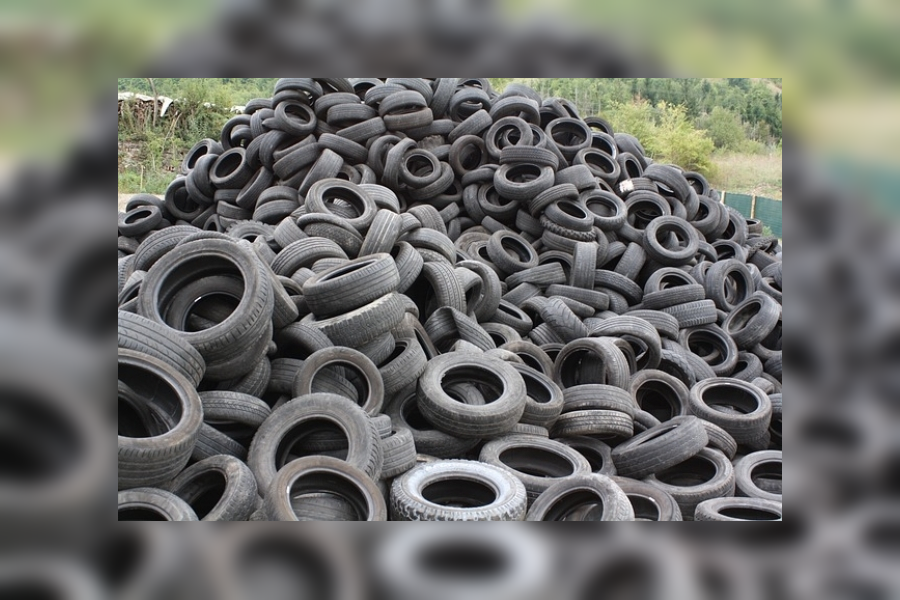

The Tyre Recovery Association has warned that the UK’s tyre circular economy is being undermined by poor export compliance. Environment Agency data shows only 54 of 4,189 waste tyre shipments since 1 October 2025 completed post-shipment verification correctly, leaving UK processors with unused capacity while export routes continue.
The Environment Agency’s enhanced verification measure was introduced to improve oversight of end-of-life tyre exports. In practice, the TRA says the latest data shows the system is not changing exporter behaviour.
Of 4,189 shipments recorded since 1 October 2025, only 54 post-shipment forms were completed correctly. That equates to a compliance rate of 1.3%. The TRA says this leaves most export movements outside the intended verification process.
This builds on earlier concerns raised in TyreNews.co.uk’s coverage of waste tyre export shipments failing Environment Agency compliance checks and undocumented tyre export consignments.
The issue is not only environmental. The TRA argues that the UK is exporting material needed by its own recovery sector.
The association says around 300,000 tonnes of waste tyres are exported each year, while UK operators have about 150,000 tonnes of licensed but idle domestic processing capacity. For recyclers, collectors and tyre retailers, that gap affects disposal pricing, compliance risk and confidence in UK processing investment.
Peter Taylor OBE, Secretary General of the Tyre Recovery Association, said the Environment Agency’s transparency was welcome, but described the 1.3% compliance rate as “an indictment” of export brokers that continue to ignore the regime.
The TRA says a shred-only mandate would reduce the risk of whole tyres being diverted into poor-quality or illegal disposal routes overseas. It would also make UK mechanical processing the first step in the export chain.
In practice, this would change the commercial value of end-of-life tyres. Instead of being treated mainly as a waste stream, shredded tyres could become a strategic feedstock for domestic and export markets.
The TRA identifies potential uses in sustainable aviation fuel production, continuous pyrolysis, recovered carbon black and rubberised asphalt. These are all areas where tyre-derived material could support higher-value recovery.
Taylor said shred is “the only immediate route” to a circular economy for British operators. He warned that without a mandate, the UK would keep exporting material while domestic recycling assets remain underused.
The warning lands at a sensitive time for the tyre recovery sector. Manufacturers are increasing interest in recovered carbon black, pyrolysis oil and secondary materials, while UK recyclers face uneven competition from lower-cost export routes.
TyreNews.co.uk has also reported on Michelin and Murfitts’ tyre pyrolysis project in Stoke, which shows how domestic processing can link end-of-life tyres with new industrial supply chains.
The company says stronger enforcement would help legitimate operators invest in processing capacity, jobs and material recovery. For the tyre trade, the policy question is now practical: whether waste tyres remain a disposal cost or become a regulated feedstock for UK industry.
Tagged with: waste tyre exports, tyre recycling UK, Tyre Recovery Association, Environment Agency, shred-only exports, end-of-life tyres, recovered carbon black, tyre pyrolysis, rubberised asphalt, circular economy tyres, export compliance
Editorial Standards & Disclaimer
Tyre News Media is an independent industry publication. Our reporting is based on information available at the time of publication, including company announcements, regulatory filings, official data, research and other sources considered reliable.
Articles may include independent analysis and editorial interpretation. Where appropriate, company statements and third-party claims are attributed to their source. Analysis, estimates and forward-looking observations should not be read as statements of established fact.
Tyre News Media takes reasonable steps to ensure accuracy but welcomes corrections, clarifications and responses from organisations or individuals covered in our reporting. If you believe information is inaccurate or requires clarification, please contact info@tyrenews.co.uk. Material errors will be corrected as appropriate.
Commercial relationships, advertising and sponsorship do not determine Tyre News Media's editorial coverage or conclusions.


_0%20(1).png)














.png)
%20(1).jpg)
.jpeg)
.png)
%20(1).jpeg)

%20(1).jpeg)